
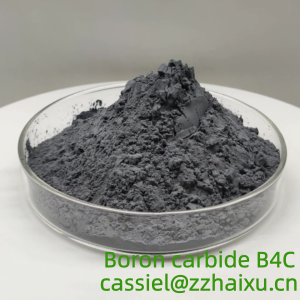
Boron carbide (B₄C) powder is sintered into ceramic tiles, which serve as the strike face (impact surface) of composite ceramic ballistic plates. It cannot work alone. Usually combined with backing layer (UHMWPE or aramid fiber).
Ballistic Mechanism
When a projectile hits, the ultra-hard boron carbide ceramic blunts and shatters the hardened steel core of the bullet. The impact force spreads and creates cracks inside ceramic to consume kinetic energy. The polymer backing layer traps ceramic fragments and residual projectile, preventing penetration and reducing back-face deformation. It meets NIJ Level IV standard, capable of stopping 7.62mm armor-piercing rounds.
Main Advantages
- Low density (2.52 g/cm³). Lighter than alumina and silicon carbide ceramics at the same ballistic protection level, greatly reducing weight for soldiers.
- Extremely high hardness (Mohs 9.6), 3rd hardest known material, ideal against armor-piercing projectiles.
- Good chemical inertness and high temperature resistance.
Limitations
- High brittleness. The ceramic tile will crack after impact, poor multi-hit performance at the same impact point.
- Difficult sintering process, higher cost compared with alumina ballistic ceramics.
- Limited protection against high-speed tungsten long rod penetrators.
Manufacturing Process
Boron carbide powder → granulation → dry pressing / cold isostatic pressing → high temperature sintering → boron carbide ceramic tile → compound with PE/aramid backing → finished ceramic ballistic plate.